Sunk Island Gun Battery
Active during both world wars, Sunk Island Battery was a two gun installation originally built upon the outbreak of World War One.
Its purpose was to defend the approach to the port of Hull and the Royal Navy fuel depot at Killingholme. It was reactivated during World War II and a new installation, Stone Creek heavy anti-aircraft battery, was constructed nearby to provide air defence.
A battery was first proposed for Sunk Island in 1911.
Sunk Island, which is a flat and low-lying area that had ceased to be an actual island in the nineteenth century, was chosen due to its relative proximity to the navigable channel along the River Humber.
The battery’s main armament was to be two 6-inch Breach Loading Quick Firing guns which were to be installed within concrete emplacements embedded within an earth rampart.
Barracks, workshops and other ancillary buildings were planned to support the garrison.
Construction was particularly difficult as no rail or road infrastructure led to the site. Nevertheless by October 1914 the towers had been built and the guns were operational.
Upgrades were made to Sunk Island Battery in February 1915 with electric searchlights installed on the foreshore. An electrical generator, which was originally installed at Paull Point Battery, was relocated to Sunk Island Battery.
Concurrently barbed wire was erected around the site and trenches dug to provide anti-personnel defences.
A Port War Signal Station was installed to the rear of the battery to act as a combined fire control post and command centre for the Examination Service, an organisation tasked with clearing vessels for onward transit along the river.
All this activity led to increased use of the battery but, the site often flooded as at high tide the water table rose around it.
Accordingly the War Office provided the battery with a network of paths and roads to ensure all weather access.
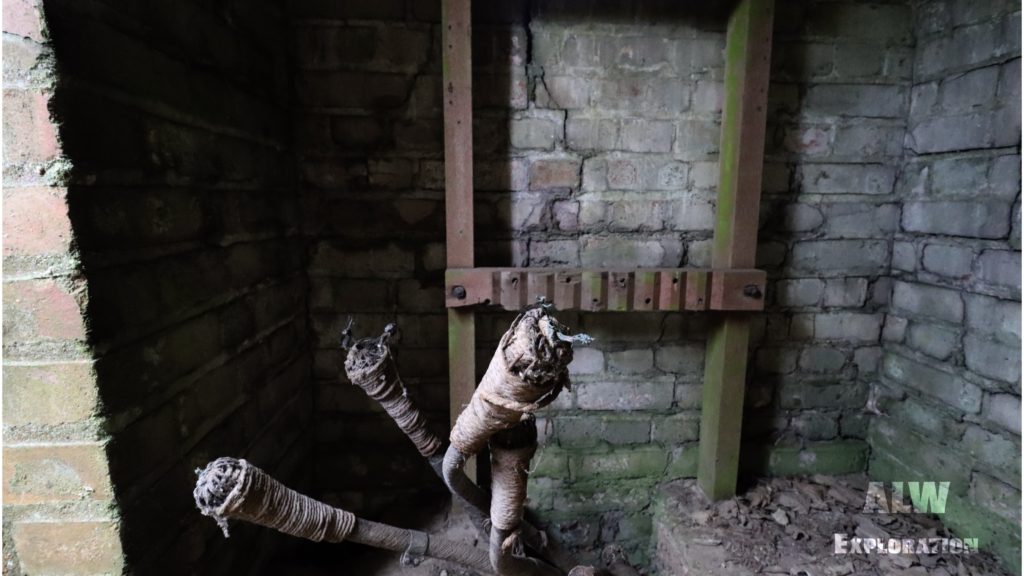
This room was for marshalling RAdio Detection and Ranging (RADAR) cabling between the relay room and the masts.


About The Author


